
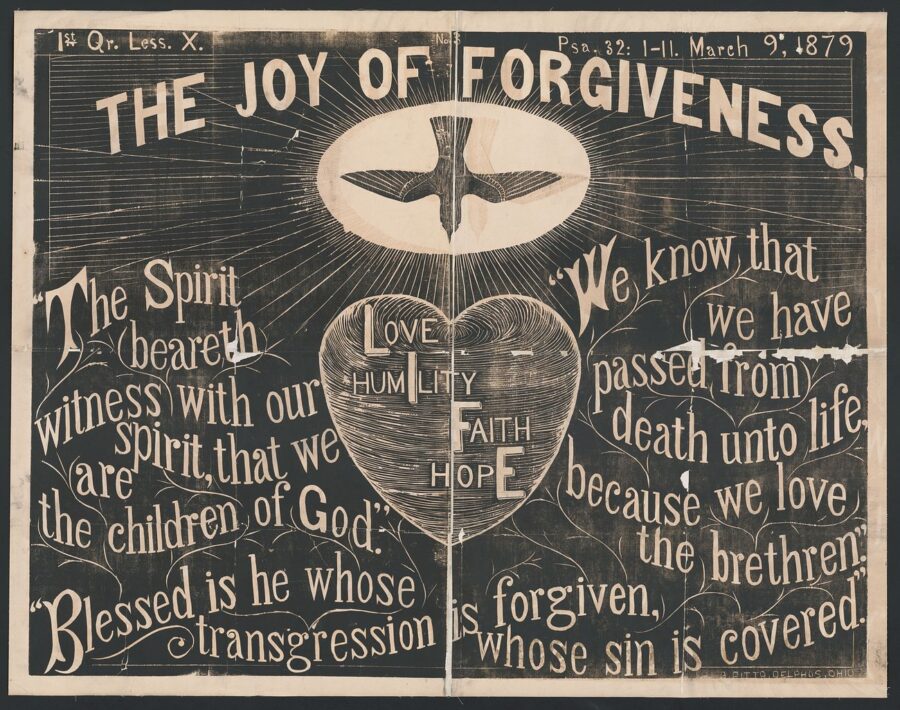
I wrote this process in my journal at 3:08 a.m. on Tuesday, September 4, 2018. You are welcome to use this to release yourself!
BEGIN
I release you from my life.
I allow you to move on from me.
Your lesson is your lesson. I fully accept my lesson, my creation.
I am not a victim. I am a co-creator.
I have at least 50% cause. I attracted you. You could not exist without me.
I allow myself to heal. I allow myself to flow. As I free myself, I also free you. I allow and release you to your own feelings, results, and lessons.
I surrender to universal and unconditional love.

Whether you have a lot of money or debt, it matters how you handle your finances. A crucial step in saving is to reassess your relationship with money and learn to adopt a broader, more logical point of view. In this video, social innovator and activist Vicki Robin, psychologist Daniel Kahneman, Harvard Business School professor Michael Norton, and author Bruce Feiler offer advice on achieving financial independence, learning to control your emotions, spending smarter, and teaching children about money. It all starts with education and understanding.
The more you know about how money works, the better you will be at avoiding mistakes and the easier it will be to take control of your financial circumstances.
Check Vicki Robin’s latest book, Your Money or Your Life: 9 Steps to Transforming Your Relationship with Money and Achieving Financial Independence, at https://a.co/d/23a2Pjv

The 8 Characteristics of Flow
Csikszentmihalyi describes eight characteristics of flow:
- Complete concentration on the task;
- Clarity of goals and reward in mind and immediate feedback;
- Transformation of time (speeding up/slowing down);
- The experience is intrinsically rewarding;
- Effortlessness and ease;
- There is a balance between challenge and skills;
- Actions and awareness are merged, losing self-conscious rumination;
- There is a feeling of control over the task.

This is part 3 of 3.
Part 1: The Functional Organization
Part 2: The Leadership Model
Deciding how to organize areas of expertise to best enable collaboration and rapid decision-making has been an important responsibility of the CEO.
The adjustments Tim Cook has implemented in recent years include dividing the hardware function into hardware engineering and hardware technologies; adding artificial intelligence and machine learning as a functional area; and moving the human interface out of software to merge it with industrial design, creating an integrated design function. Based on the HBR article, “How Apple Is Organized for Innovation” by Joel M. Podolny and Morten T. Hansen:

This is part 2 of 3.
Part 1: The Functional Organization
Part 3: Leadership at Scale
Ever since Steve Jobs implemented the functional organization, Apple’s managers at every level, from the senior vice president on down, have been expected to possess three key leadership characteristics: deep expertise that allows them to meaningfully engage in all the work being done within their individual functions; immersion in the details of those functions; and a willingness to collaboratively debate other functions during collective decision-making.
When managers have these attributes, decisions are made in a coordinated fashion by the people most qualified to make them. Based on the HBR article, “How Apple Is Organized for Innovation” by Joel M. Podolny and Morten T. Hansen:

This is part 1 of 3.
Part 2: The Leadership Model
Part 3: Leadership at Scale
Adopting a functional structure may have been unsurprising for a company of Apple’s size at the time. What is surprising—in fact, remarkable—is that Apple retains it today, even though the company is nearly 40 times as large in terms of revenue and far more complex than it was in 1998. Senior vice presidents are in charge of functions, not products.
As was the case with Jobs before him, CEO Tim Cook occupies the only position on the organizational chart where the design, engineering, operations, marketing, and retail of any of Apple’s main products meet.
Besides the CEO, the company operates with no conventional general managers: people who control an entire process from product development through sales and are judged according to a P&L statement. Based on the HBR article, “How Apple Is Organized for Innovation” by Joel M. Podolny and Morten T. Hansen:
The acclaimed author and teacher explains the principles that are integral to the process of forgiving according to Buddhist philosophy.
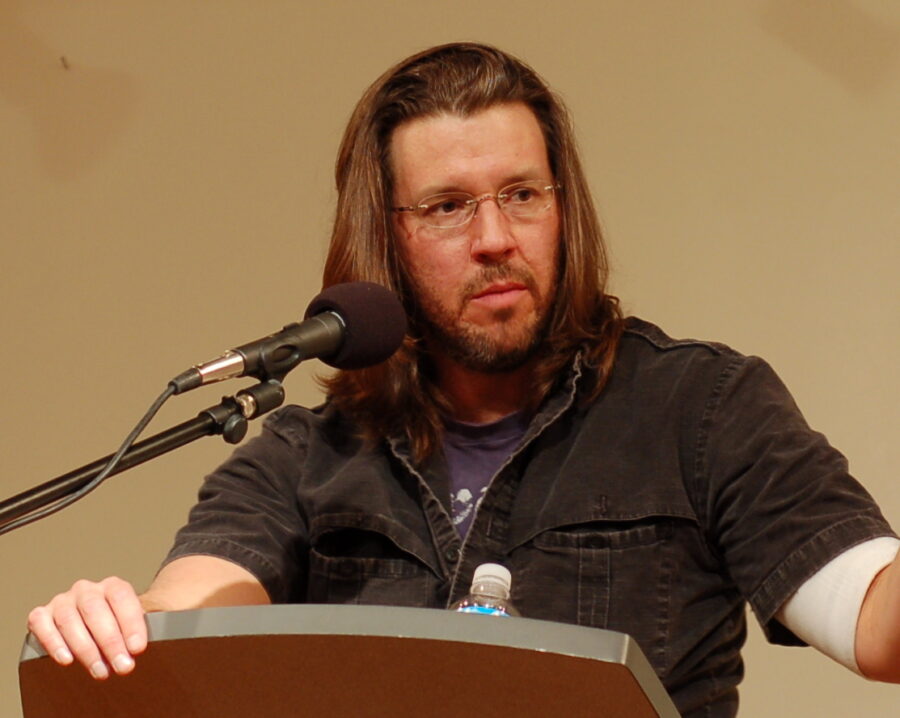
David Foster Wallace‘s 2005 commencement speech to the graduating class at Kenyon College is a timeless trove of wisdom.
This is Water
“Greetings parents and congratulations to Kenyon’s graduating class of 2005. There are these two young fish swimming along and they happen to meet an older fish swimming the other way, who nods at them and says “Morning, boys. How’s the water?” And the two young fish swim on for a bit, and then eventually one of them looks over at the other and goes “What the hell is water?”