
From Our Co-founder: Andrew John Harrison
Health, medicine, and well-being have always been important to me. I have had my share of personal health challenges, emergency hospital visits, accidents, near-death experiences, and struggles to find a diet that works best for my body type, genetics, and lifestyle. Over the years, I have talked to thousands of doctors and healthcare professionals about my health challenges, loved ones, and suffering clients. I have helped people to die with grace and dignity. However, I prefer to help people to live longer and more fulfilling lives.
I grew up on a farm in New Zealand where we grew our own vegetables, ate fruit from our own trees, enjoyed fresh eggs and dairy from our own cows, and my mother bought sacks of wheat, ground our own flour, and baked everything fresh. My siblings and I would hang around the kitchen waiting for the hot bread fresh from the oven. We would often churn our butter and whip our cream, although this was very labor-intensive!
We grew up vegetarian, which was kinda odd on a dairy farm in the 1970s! I have since expanded my diet to be more omnivore, not because I lost my love of animals but because my health improved when I ate a more diverse diet. I always believed that “you are what you eat” and that “your body is the temple for the soul.”
In our lifetime, we will all suffer from health challenges. It is not a case of if, but when and how much we will suffer.
I was the primary caregiver for my former wife and business partner on a 7-year journey with breast cancer until she died in my arms. She taught me how to love, live, and give all you have got. We traveled the world to consult and work together with a team of leading doctors, scientists, and complementary medicine practitioners to heal, alleviate pain, prolong life, and identify and treat the root causes.
Our health and medical journey took many twists and turns, from profound moments of love and healing to a horror show of life and death in and out of multiple emergency departments. As a result of our many experiences and research, we formed the opinion that despite the billions of dollars spent on modern medicine – it is primarily focused on treating disease and not prevention, healing, treating root causes, and life extension. The whole person is rarely considered. Nutrition, lifestyle, and spiritual, emotional, and mental health are not addressed. Physical disease and dysfunction are dissected and compartmentalized. The success of modern medicine has solved many problems and saved many lives; however, it is also a victim of its own success.
Healing, which used to be its central function, is often forgotten. Here at Goldzone Wellness Center, we are not trying to make wrong or replace conventional medicine, nor criticize the millions of expert and well-meaning professionals who dedicate their lives to helping others. We are offering an additional alternative to those who want a more personalized wellness experience that encompasses you as a whole person. Beyond functional lies extraordinary. If you want an extraordinary quality of life that is full and as long as possible, welcome to Goldzone!
I have since remarried and, together with my current wife and business partner, founded Goldzone Wellness Center and Medical Clinic to recruit doctors who share our beliefs about wellness and the importance of a person’s well-being and to offer science-based medical services that empower clients (not patients) to take charge of their health by focusing on prevention, early detection, and healing chronic conditions using a combination of Functional Medicine, Lifestyle Medicine, Complementary Medicine, and standard medical practice.
We take a scientific and systematic approach to determine the state of health, combined with subjective measures such as how a person feels, their lifestyle, purpose in life, quality of relationships, and genetic history to empower clients to take charge of their health, improve quality of life, boost energy, become more resilient, and live a long, fulfilling, and purposeful life.
I am passionate about life, contribution, and making the most of our time. Central to your ability to make an impact and live the life of your dreams is the health and energy to do it and the time to enjoy it.
That is what we are dedicated to; long life, vital energy, and regenerative health.
Enjoy, and I hope to see you soon…
XOXO

Andrew John Harrison
Co-founder
Vita Fontaine Wellness Center
Vita Fontaine Medical Clinic
Goldzone Group
Use discount code FCS100 for a complimentary copy.
We have all felt hurt or wounded by the actions of other people. For some of us, we have years of accumulated and unresolved hurt that we feel was caused by the people in our lives who are closest to us.
Feelings of hurt, betrayal, and anger can be the most pervasive and destructive to both the target of our feelings as well as to ourselves. Ruminating on feelings of hurt, anger, and the quest for justice can lead to destructive behavior, which can cause us to feel worse, as well as cause negative health outcomes that, over time, can become life-threatening.
Medical research indicates that harboring angry feelings towards people can cause numerous physical maladies, including high blood pressure and cardiovascular disease.
The benefits of forgiveness include increased feelings of peace and harmony, with decreased anger, as well as improved physical health, lower blood pressure, more energy, increased mental clarity, improved cardiovascular health, as well as general well-being and serenity.



Most education, coaching, and training focus on adding more information on top of what we already know. Much of this new information conflicts with old assumptions, thought forms, ideas, and feelings. As a result, much of the value of the new information is lost.
This is one of the reasons why some of the smartest and best-educated people take some of the dumbest actions. It is also why we age so much. Have you ever seen a youngish person who looks, feels and acts old? How about an old person who looks, feels and acts really old?
Evolution is an amazing process of replacing the old with the new. If our ideas and ways of being are not kept relevant we end up extinct. Like you know… the dinosaurs.
Today’s world is highly competitive and with new technologies the pace of change is so fast it isn’t easy to keep up.
The solution to this problem is to constantly engage in a process of UNLEARNING where old “stuff” is challenged, upgraded or thrown out. We call this unlearning process “Clean Slate” because it is like wiping a slate clean and starting all over again.
Who couldn’t do with a fresh start once in a while?

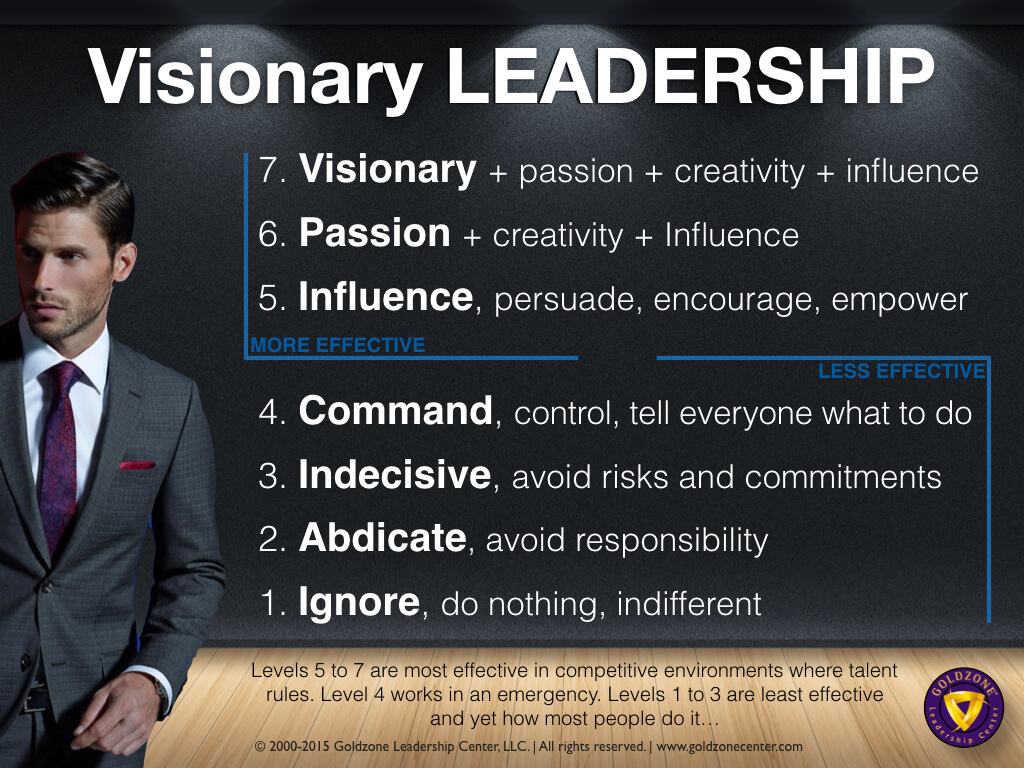
Choose your leaders carefully.
Wise words that we would all agree with and yet how many of us get to know the obvious and not so obvious aspects of a leader – BEFORE we jump in and follow them?
Obvious aspects are those we can all see. Examples are their likeability, dressing, body language and grooming. Also their tone of voice, leadership style, and their past performance.
Not so obvious aspects would mean those qualities and attributes that we cannot see without getting to know them personally or investigating with more discerning eyes. Usually, these aspects include their values, operating model, typical emotional state, beliefs, honesty, candor, ethics, and integrity.
Why are these not so obvious aspects so important? Because these are the qualities that are better predictors of future performance, behavior under stress and most important of all… these are the aspects that we take on and duplicate from our leaders without evening realizing it!
If that doesn’t scare you – it should.
Let’s say you are an ethical person and you pride yourself on your honesty, straightforwardness, and openness. You want to improve your relationship with money so you look for a teacher to follow who appears to be world-renowned, well respected and successful. If you take this at face value you would conclude that this teacher is a good person to learn from and you decide to follow them.
Unbeknownst to you this teacher has a flexible relationship with the truth and believes that money is to be prized and valued over all else. If they suggested you do outright unethical things this would trigger your doubt and you would see it right away. The thing is, their true nature is masked by their public persona and they have such a good act that most well-meaning people would not be able to see them easily or accurately.
In fact, many of these people have well-crafted strategies to keep their real nature and intention a secret. They often engage in charity projects and donate publicly to needy causes. They will talk about doing the right thing and being a good person, while behind the scenes are doing exactly the opposite! We call this “public relations”.
Why does this matter to you so much? Because you are going to take on what they say, do and believe unconsciously. These unconscious memes will become a part of your makeup and you may find yourself compromising your standards little by little. You may also find that when you do what they say they have done, your results are different from theirs. Assuming you implement and execute exactly… it may not work for you because they didn’t do what they said they did!
This gap between what they say they did and reality can cause you to lose confidence in yourself and to doubt your own abilities… when in fact you should be doubting them and their advice!
Train yourself to look for the obvious and not so obvious aspects of a leader. Tune into their feeling. Look for “bodies on the side of the road.” Ask questions and look for telltale signs of incongruence. The slicker they are, the deeper you have to look to determine fact from fiction.