Founder of Goldzone Group and the primary author of Renaissance for Leaders. Harrison's work focuses on the study of leadership and the conditions that shape human performance and decision-making.
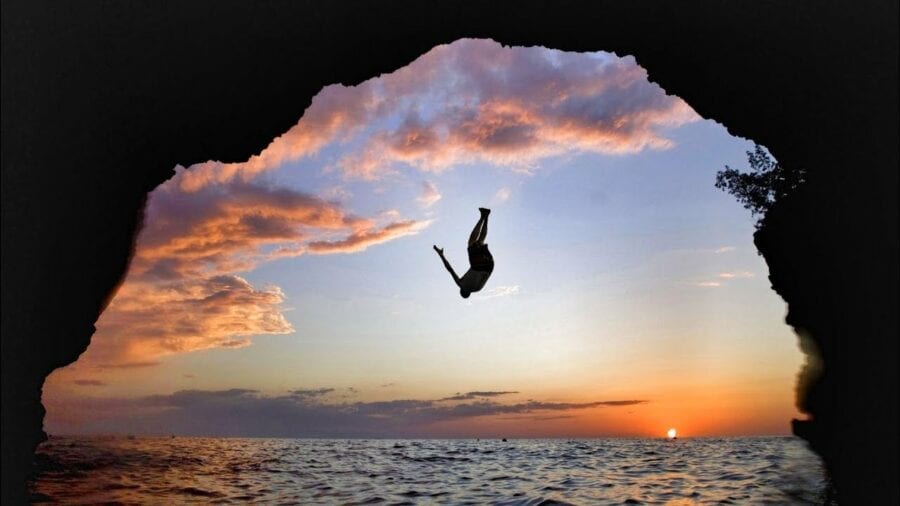
90-year-old John Carter, still hikes, bikes, swims and plays sports. It’s rare to see a 90 something doing any kind of physical activity. After a swan dive from the 10-foot dive board, he jokes that no other 90-year-olds are well enough to join him.
This video is from the series “The Code”. With a simple bubble demonstration, we can see how nature doesn’t waste anything and is always defaulting to the most efficient use of resources.
By studying nature, we can discover Generalized Principles that are true in every case and can be applied to improve human life. Because we are a part of nature, what applies to bubbles, applies to us.
VITAMINS are organic pounds that cannot be synthesized by humans and therefore must be ingested to prevent metabolic disorders.Some groups of people are at higher risk for vitamin deficiency and suboptimal vitamin status. If you are like most people, you may be unaware of common food sources of vitamins or unsure which vitamins are recommended for what.
Vitamin excess is possible with supplementation, particularly for fat-soluble vitamins. Inadequate intake of several vitamins has been linked to chronic diseases, including coronary heart disease, cancer, and osteoporosis.
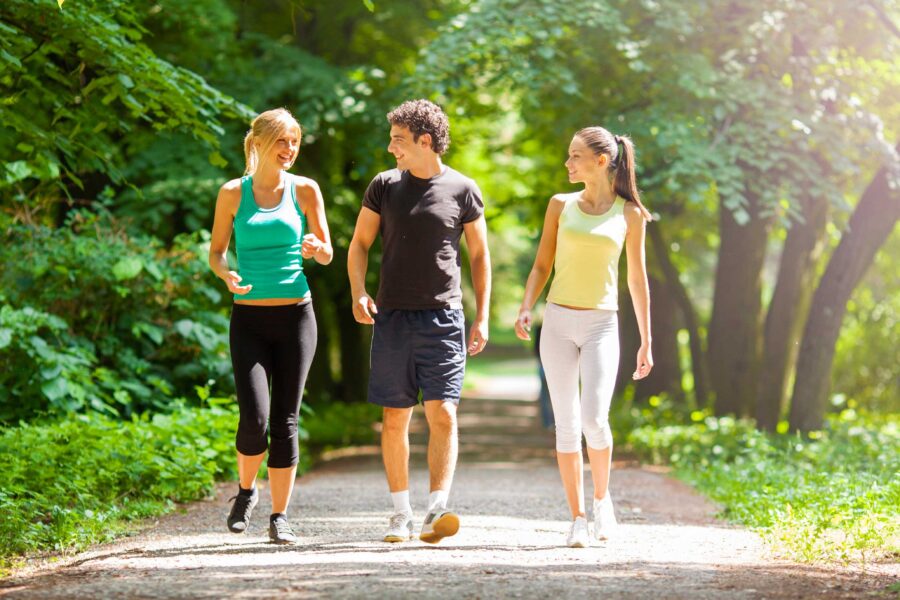
Walking is one of the simplest forms of movement and exercise. From taking the stairs, to leaving the car and wandering, to brisk speed-walking, it is easy to be active and fit!
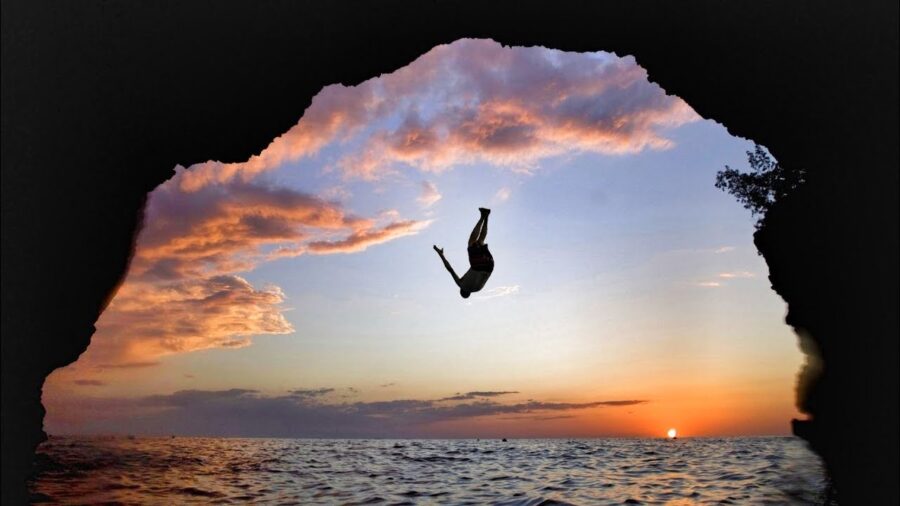
90 year-old John Carter, still hikes, bikes, swims and plays sports. It’s rare to see a 90 something doing any kind of physical activity. After a swan dive from the 10-foot dive board, he jokes that no other 90-year-olds are well enough to join him.
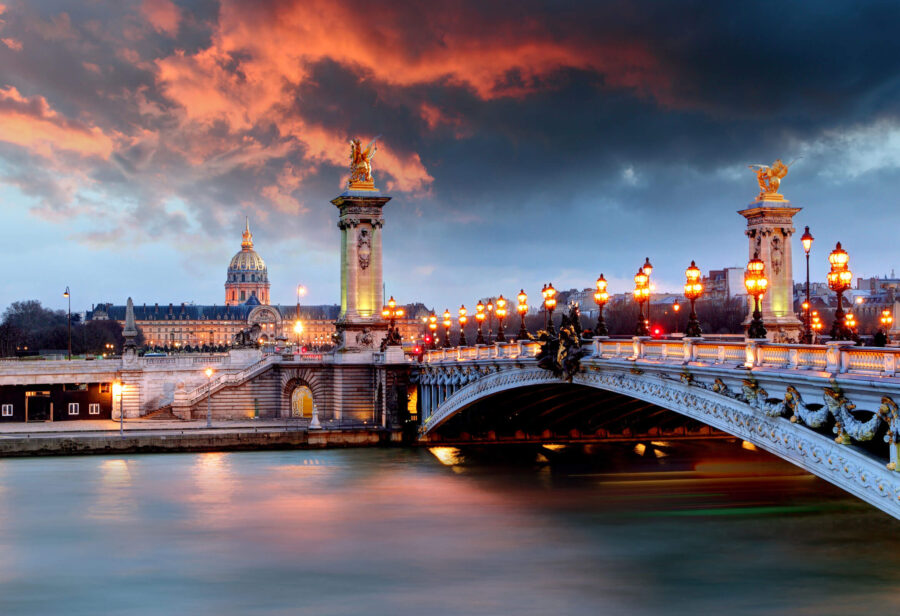
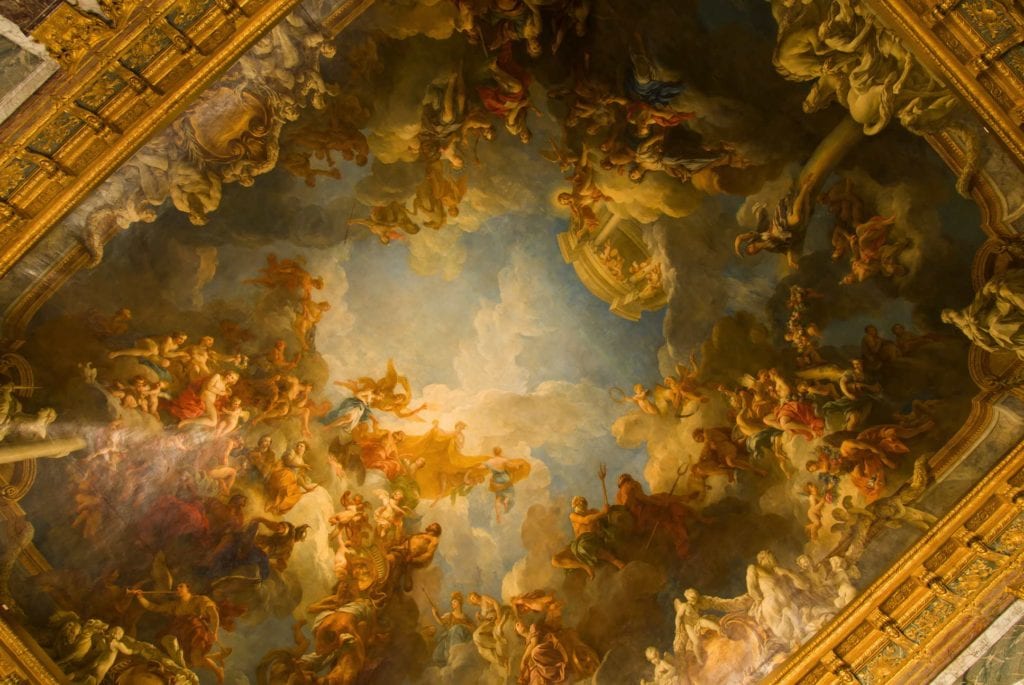
From the heart of Versailles to your heart. When we visit a cherished place, a part leaves with us, and a part of us remains there. Both you and the place are forever altered, changed, impacted, imprinted on each other. Versailles, Paris, You, and I are forever entwined in a cosmic dance that transcends space and time.
The people who walked these streets over hundreds of years, who wandered along cobblestones on the way to get their daily bread, in their boots and britches, hats with plumes, and you are now interconnected, because you share a place, a feeling, a stirring.
While time and distance separate us, we walk the same streets, we think of the same things, worry about the same things, long for the same touches.
The same longing is in all of us, no matter how grand or humble our abode. We share a common human experience that is powered by love.
Paris is now your home, and it awaits your return. Return you will. First in your heart, in your dreams, and in your soul.
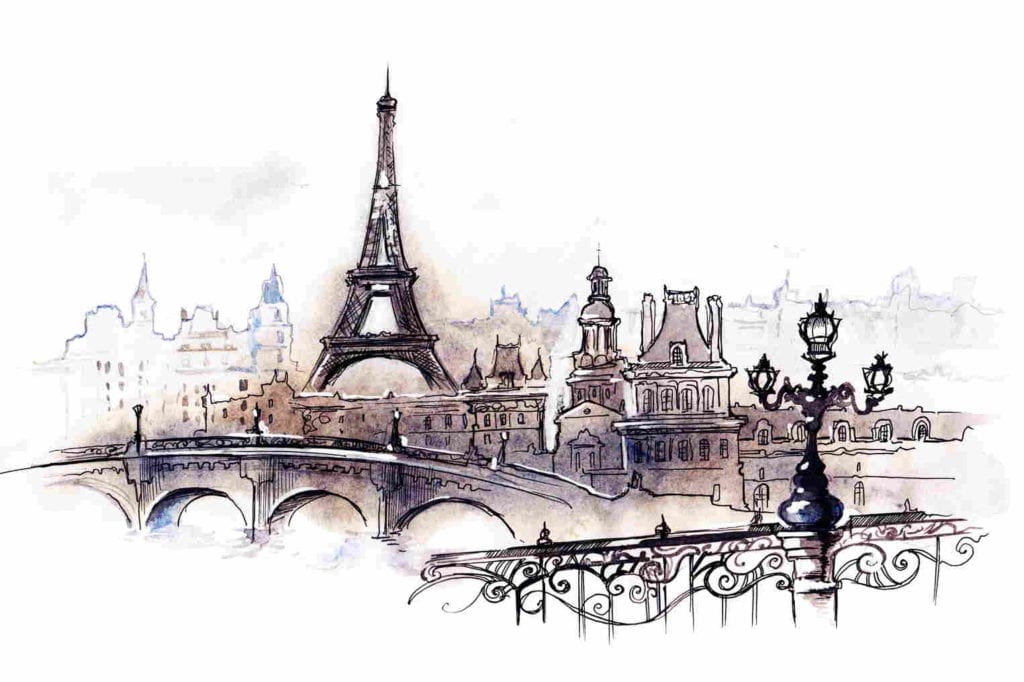
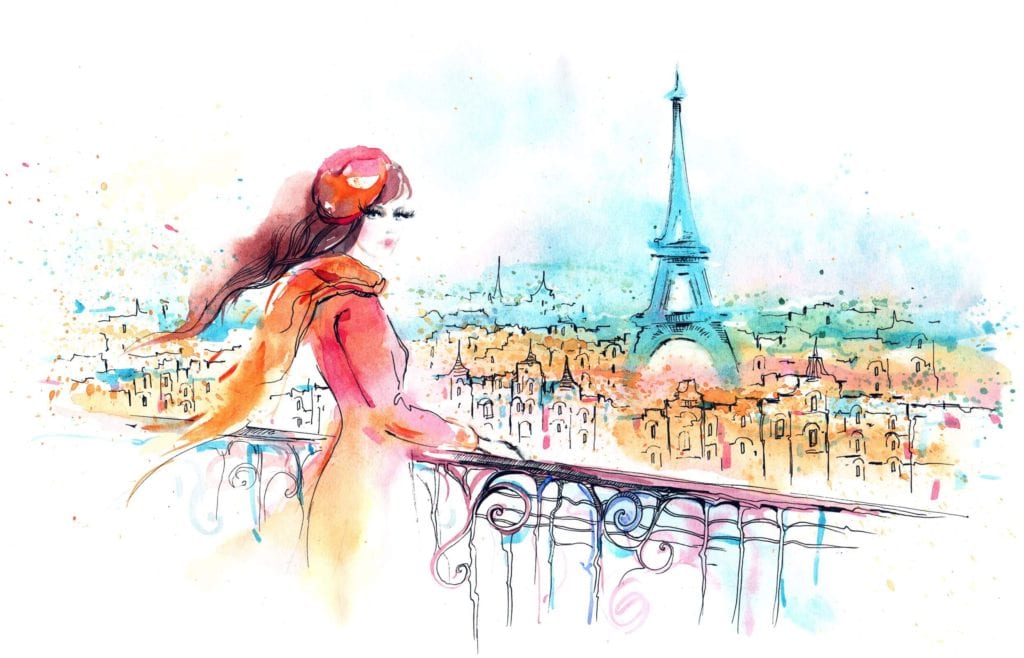
Then one day the longing will be realized and you will gaze with wonder out the window of a plane and see the morning sunlight lighting up the Eiffel Tower, as you make your approach to your next rendezvous with the city of light, the city of love and the city of one thousand dreams.
Like all aspects of life, experiences are always better with friends.
You arrived with excitement, with anticipation. You leave with a full heart and soul mates.
Paris is a lover, she has a soul. That soul is beyond space and time. It is limitless, and by sharing its soul with you, it is expanding and never diminished.
We obsess over physical things, about limits where sharing means less. And yet the true magic resides in places like Paris, in our hearts where sharing expands beyond all known limits.
Sharing leads to more for everyone, never less.
And so it is with all love. Love when shared grows. It expands. It becomes more. As that soul expands to include more it becomes more magical, more profound, more for everyone.
So now, as you return home, you will catch glimpses of Eiffel Towers and your heart will miss a beat.
Yes, no doubt, you may temporarily forget, you may become seduced into old patterns and old dramas. It may seem too painful to remember your love affair with Paris.
But only for a while. It won’t take much to remember, to recall, to reconnect. The time machine will buzz into action and transport you back.
Despite our feelings at times that things are against us, the universe is neutral. It does not deny us anything. Only we can do that.
And remember:
YOU ALWAYS TAKE THE WEATHER WITH YOU, EVERYWHERE YOU GO, ALWAYS TAKE THE WEATHER WITH YOU.